
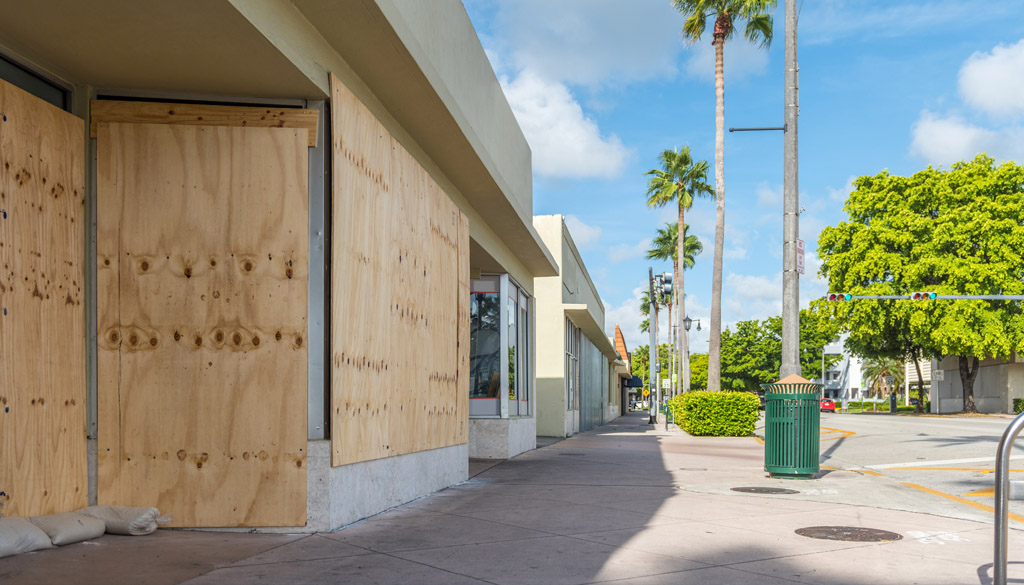
Severe weather can arrive quickly, but your facility’s response shouldn’t be left to chance.
Hurricanes, thunderstorms, high winds, flooding, and other severe weather events can disrupt the electrical grid and leave businesses without reliable power. For commercial, industrial, healthcare, and other mission-critical facilities, even a relatively short outage can lead to lost productivity, interrupted operations, damaged equipment, safety concerns, and significant financial losses.
That’s why storm preparedness should begin long before severe weather appears in the forecast.
With proactive planning, resilient backup power infrastructure, regular maintenance, and the right energy partner, organizations can reduce their vulnerability to outages and maintain critical operations when utility power is unavailable.
Here are some best practices to help prepare you and your business for a storm season.
1. Conduct a Risk and Vulnerability Assessment
Effective storm preparedness begins with understanding where your facility is most vulnerable.
Start by identifying the equipment, systems, and processes that must remain operational during an outage. These critical loads will vary significantly depending on your facility.
For example, a healthcare facility may prioritize life-safety equipment, medical systems, refrigeration, HVAC, and communications. A manufacturing operation may need to maintain production equipment, process controls, compressed air, data systems, and other essential infrastructure.
Your assessment should include:
- Mapping critical electrical loads and prioritizing essential systems
- Identifying single points of failure within your electrical infrastructure
- Evaluating the condition and capacity of existing backup power equipment
- Reviewing dependencies on utilities, fuel suppliers, communications, and other external resources
- Evaluating historical outages and grid reliability in your area
- Determining how long critical operations can continue without utility power
Understanding these risks allows you to develop a resilience strategy based on your facility’s actual operational requirements rather than waiting until an outage exposes weaknesses.
2. Design a Redundant and Tiered Backup Power Strategy
Not every electrical load carries the same level of importance. A well-designed backup power system prioritizes critical operations while providing sufficient flexibility to respond to changing conditions.
Depending on your facility, this may include multiple generators, battery energy storage, automatic transfer switches, load-management systems, or hybrid energy solutions.
For organizations requiring higher levels of resilience, redundant generation can help prevent a single equipment failure from compromising the entire facility.
Hybrid solutions that combine generators with battery storage or other distributed energy resources can provide additional flexibility. Batteries, for example, can respond almost immediately to power interruptions while generators provide the longer-duration power needed during an extended outage.
The objective is not simply to install backup equipment. It is to create an integrated power strategy capable of keeping your most important operations running when the grid cannot.
3. Use Remote Monitoring and Proactive Maintenance
A generator that fails during an outage provides little value.
Unfortunately, backup power equipment can develop problems even when it is rarely used. Batteries can deteriorate, fuel systems can experience issues, sensors can fail, and mechanical components can require service.
Regular preventive maintenance is essential, but remote monitoring provides an additional layer of protection.
Modern monitoring solutions can continuously track important system information such as:
- Generator operating status
- Runtime and usage
- Battery condition
- Engine temperatures
- Load conditions
- Fuel levels
- Diagnostic codes
- Alarms and system faults
Instead of discovering an issue when severe weather has already knocked out utility power, remote monitoring can help identify potential problems earlier.
Combined with a proactive maintenance program, monitoring helps ensure your backup power equipment remains ready to perform when it matters most.
4. Develop a Reliable Fuel Supply Strategy
A generator can only operate as long as it has access to fuel.
During widespread storm events, fuel logistics can become increasingly difficult. Road closures, flooding, transportation delays, increased demand, and regional fuel shortages can all affect delivery schedules.
Facilities relying on diesel or other delivered fuels should evaluate their expected runtime requirements before storm season begins.
A comprehensive fuel strategy may include:
- Establishing reliable fuel supply agreements
- Maintaining appropriate on-site fuel reserves
- Planning for extended outages
- Monitoring fuel levels remotely
- Identifying alternate delivery options
- Accounting for potential transportation disruptions
Your fuel plan should reflect the realities of a major storm—not ideal operating conditions.
If an outage lasts significantly longer than expected, having a reliable fuel strategy can be the difference between maintaining operations and shutting down.
5. Test Your Backup Power Systems Regularly
Owning backup power equipment is only one part of preparedness. You also need confidence that the entire system will operate correctly during a real outage.
Regular testing helps uncover weaknesses before they become emergencies.
Testing may include:
- Generator start-up and operational testing
- Load-bank or full-load testing when appropriate
- Automatic transfer switch testing
- Simulated utility outages
- Failover and redundancy testing
- Battery and starting-system inspections
- Alarm and monitoring verification
- Testing under realistic operating conditions
The goal is to verify more than whether a generator starts. Your facility should confirm that the complete backup power system—from detecting an outage to transferring loads and maintaining critical operations—functions as designed.
Storm season is not the time to discover that a transfer switch, battery, fuel system, or control component is not working properly.
6. Train Your Team and Document Emergency Procedures
Reliable equipment is critical, but your people also need to know what to do when an outage occurs.
Develop a documented emergency power plan that clearly defines responsibilities, communication procedures, escalation protocols, and contingency actions.
Key personnel should understand:
- Who is responsible for backup power systems
- How to respond to generator or transfer-switch alarms
- Who to contact for emergency service
- Which systems receive priority during an extended outage
- How fuel supplies will be managed
- How operations will continue if primary backup equipment fails
- When and how leadership should be notified
Regular drills can help employees become familiar with these procedures before they are needed.
During an actual storm, clear responsibilities and documented procedures can reduce confusion, accelerate response times, and help your organization make better decisions under pressure.
7. Consider a Energy-as-a-Service Approach
Building and maintaining a resilient energy system requires specialized expertise.
For organizations without dedicated internal energy teams—or businesses that simply want to reduce the burden of managing complex power infrastructure—a turnkey solution can simplify the process.
Instead of coordinating multiple contractors and service providers, businesses can work with an experienced energy partner to manage the complete lifecycle of their backup power infrastructure.
This can include:
- System design and engineering
- Equipment selection
- Installation
- Commissioning
- Remote monitoring
- Preventive maintenance
- Emergency service
- Equipment upgrades
- Long-term system management
Energy-as-a-Service (EaaS) can take this approach even further by allowing organizations to access resilient energy infrastructure through a service-based model rather than managing every aspect of system ownership themselves.
The result is a more predictable, proactive approach to energy resilience—allowing your team to focus on running the business while experienced professionals focus on keeping the power available.
The Best Time to Prepare Is Before the Storm
Storm preparedness isn’t about reacting when severe weather arrives. It’s about building resilience long before the forecast changes.
Organizations that evaluate their vulnerabilities, maintain their equipment, test their backup systems, secure fuel supplies, train their teams, and develop comprehensive power strategies are better positioned to minimize disruption when the grid goes down.
Most importantly, don’t assume that having a generator means your facility is fully prepared.
True energy resilience requires a complete strategy encompassing equipment, maintenance, monitoring, fuel, testing, people, and planning.
At RECORE, we help businesses develop dependable energy solutions designed around their operational needs. From backup generation and turnkey power solutions to remote monitoring, maintenance, and Energy-as-a-Service, our team can help you prepare for severe weather and strengthen your long-term energy resilience.
Is Your Facility Ready for the Next Storm?
Start your storm-readiness assessment with RECORE today. We’ll help you evaluate your current power infrastructure, identify potential vulnerabilities, and determine the right solution to keep your critical operations powered when it matters most.