
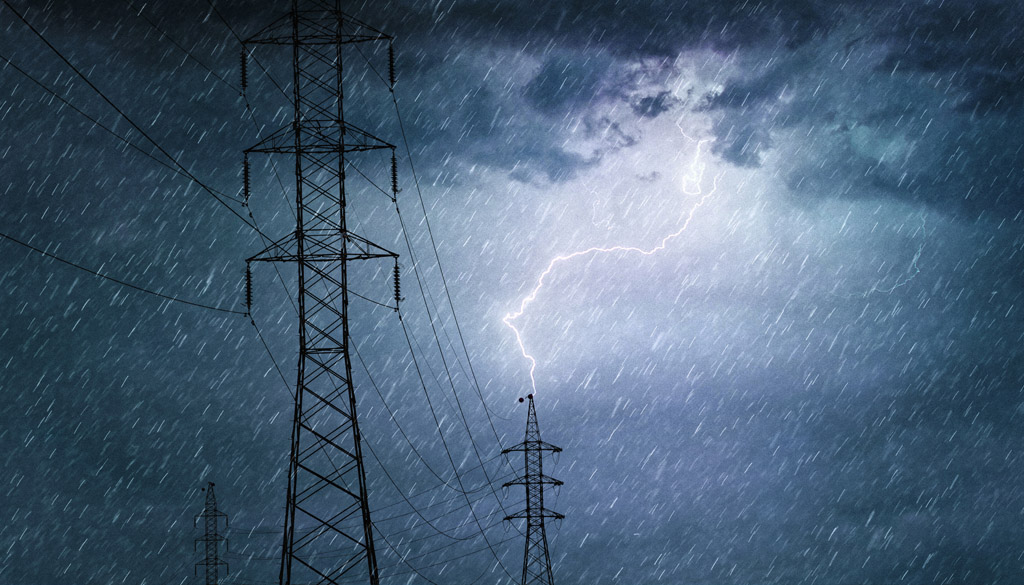
During a storm, it’s more than just the power that goes out. Bad weather can shut down operations, damage equipment, spoil inventory, and cause expensive repairs. For businesses in industries such as; manufacturing, healthcare, utilities, and critical infrastructure, even a few hours without power can translate into significant losses. As severe weather becomes more frequent and intense, understanding the cost of power outages and the need for a backup generator is no longer optional — it’s essential.
The Extent of the Problem
-
- The U.S. Department of Energy estimates that power outages cost American businesses at least $150 billion annually. Nationwide Power+2Pinkerton+2
-
- In one study, a 4-hour disruption cost a typical facility between $10,000 and $20,000, while a multi-day outage could push losses past $50,000. FM Generator
-
- In industries with high sensitivity, such as cement processing, a short outage of minutes or hours can cost $30,000+ due to temperature degradation and restart procedures. AlphaStruxure
-
- For large enterprises or data centers, the cost per minute of downtime can run into thousands of dollars. In one case, a full 24-hour outage was estimated to cost over $12 million for a major data center. Bloom Energy+1
Direct and Indirect Costs
-
- Lost productivity & revenue: Machines stop, staff idle, orders delay.
-
- Equipment damage & restart costs: Sudden shutdowns or surges can harm sensitive systems.
-
- Inventory spoilage: Food, chemicals, or pharmaceuticals can be ruined without climate control.
-
- Adaptation costs (“resilience tactics”): Businesses rent generators, transfer staff, relocate, or incur overtime. A study from USC estimated that indirect costs like these can be a significant portion of total blackout losses. USC Price
-
- Reputational and customer loss: If customers or patients lose trust, the long-term cost could outweigh the immediate one.
Storm Outages — The Main Risk Factor
Weather and natural disasters are responsible for the majority of electrical outages: roughly 86.6% by one DOE-cited analysis. Pinkerton As climate changes intensify severe storms, businesses in storm-prone regions face a higher probability of extended outages.
Power outages are no longer rare disruptions—they’re a growing business risk with significant financial consequences. From lost productivity and damaged equipment to spoiled inventory and diminished customer confidence, even a brief outage can have lasting effects on your bottom line. As severe weather events become more frequent, investing in a reliable energy resilience strategy is no longer just a precaution—it’s a competitive advantage. By implementing turnkey energy solutions through an Energy-as-a-Service (EaaS) model, businesses can minimize downtime, protect critical operations, and ensure they remain productive when the grid cannot.
Contact us today for more information and a FREE quote!
"*" indicates required fields